A Result That May Take Weeks to Resolve
Jakovina said it may be weeks, possibly months, before Israel’s election produces a clear winner, and suggested a repeat vote is a real possibility. He noted that a opposition-led government could emerge if shifts occur among Arab parties of a kind not previously seen in Israeli politics – though he also observed that no mass turnout among Israeli Arab voters materialized either. Winning the largest share of the vote carries limited weight on its own, he argued, since forming a government still depends on coalition potential, and it remains uncertain whether the opposition is genuinely better placed than Netanyahu’s bloc to assemble one.
Eisenkot’s Record on Security
On the broader question of Israeli and Middle East security, Jakovina noted that Eisenkot originated the policy of periodically eliminating individuals assessed as posing a threat to Israel.
A Campaign Not Fought Over Palestinian Statehood
Jakovina emphasized that neither Eisenkot nor Netanyahu supports recognition of a Palestinian state, but that this was not a defining issue of the campaign. The dominant themes, he said, were corruption, military conscription, and Israel’s declining popularity internationally. In his assessment, the obstacle is not Eisenkot himself but associates around him unwilling to accept a coalition involving Arab citizens – and negotiating with the Palestinians remains taboo for many within Israeli politics, a dynamic he said will shape the coming weeks.
Netanyahu’s Diplomatic Liabilities Versus Eisenkot’s Options
Jakovina argued that Netanyahu has become too diplomatically toxic with many Arab states, making certain steps considerably harder for him than they would be for Eisenkot. In his view, Eisenkot would likely find common ground with the military leadership and has previously shown openness to the Trump administration’s plan for rebuilding Gaza and restoring a degree of normal life there. From an outside observer’s perspective, Jakovina said, even a change in government would not substantially alter Israel’s core foreign policy positions – but a continuation of Netanyahu’s leadership would mean he continues to carry the weight of the indictments brought against him in recent years.
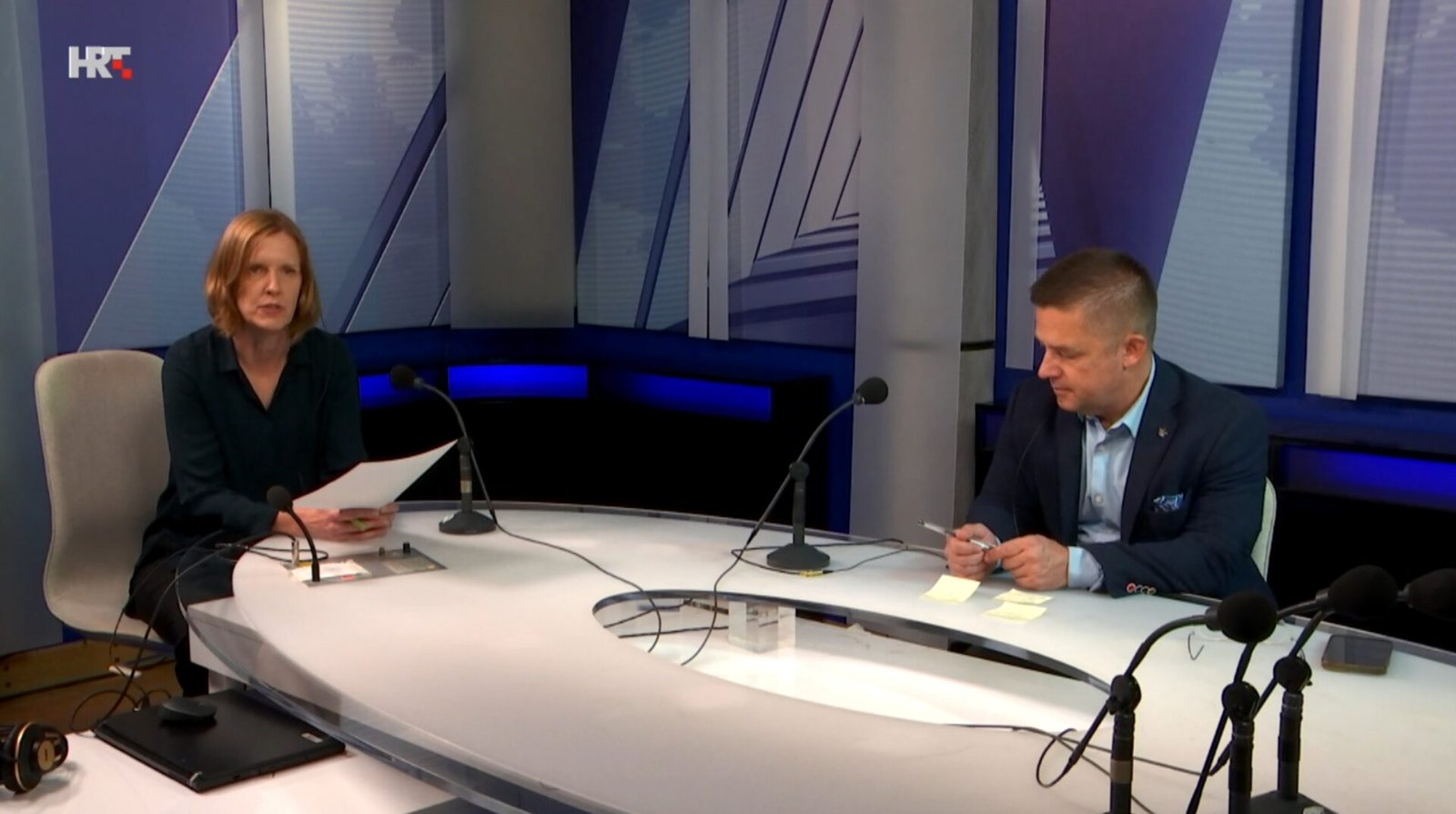
This article is an analytical synthesis of comments made by Tvrtko Jakovina during his appearance on Hrvatski radio’s “U mreži Prvog,” as reported by HRT. It does not constitute a verbatim transcript but a policy-oriented summary and interpretation of his remarks.