Lula’s Improbable Fourth Term
Nikolić argued that Lula’s victory broke a longstanding pattern in Brazilian politics: no candidate trailing after the first round had ever gone on to win the runoff. At 81, he said, Lula became the first politician in modern Brazilian history to secure a fourth term.
He attributed the comeback to a deliberate late campaign strategy – intensive door-to-door mobilization combined with a WhatsApp group nicknamed “Lula’s army,” which reportedly reached 11 million members within about ten days of its creation and served as a coordination hub for volunteers and messaging. Nikolić said the decisive factor was re-engaging voters who had stayed home in the first round, turning a 2.2-million-vote deficit into a 4.4-million-vote win.
A Leadership Vacuum on the Brazilian Left
Looking ahead, Nikolić warned that Brazil’s left has failed to produce any successor to Lula over the years. He suggested that if Lula serves out his term, he will be 85 by its end – and that the party’s fortunes may fade significantly once he is no longer its central figure. Beyond healing a deeply divided society, Nikolić said Lula’s remaining task is to build a durable left-wing political platform capable of outlasting him.
“Don’t Write Off Vučić”
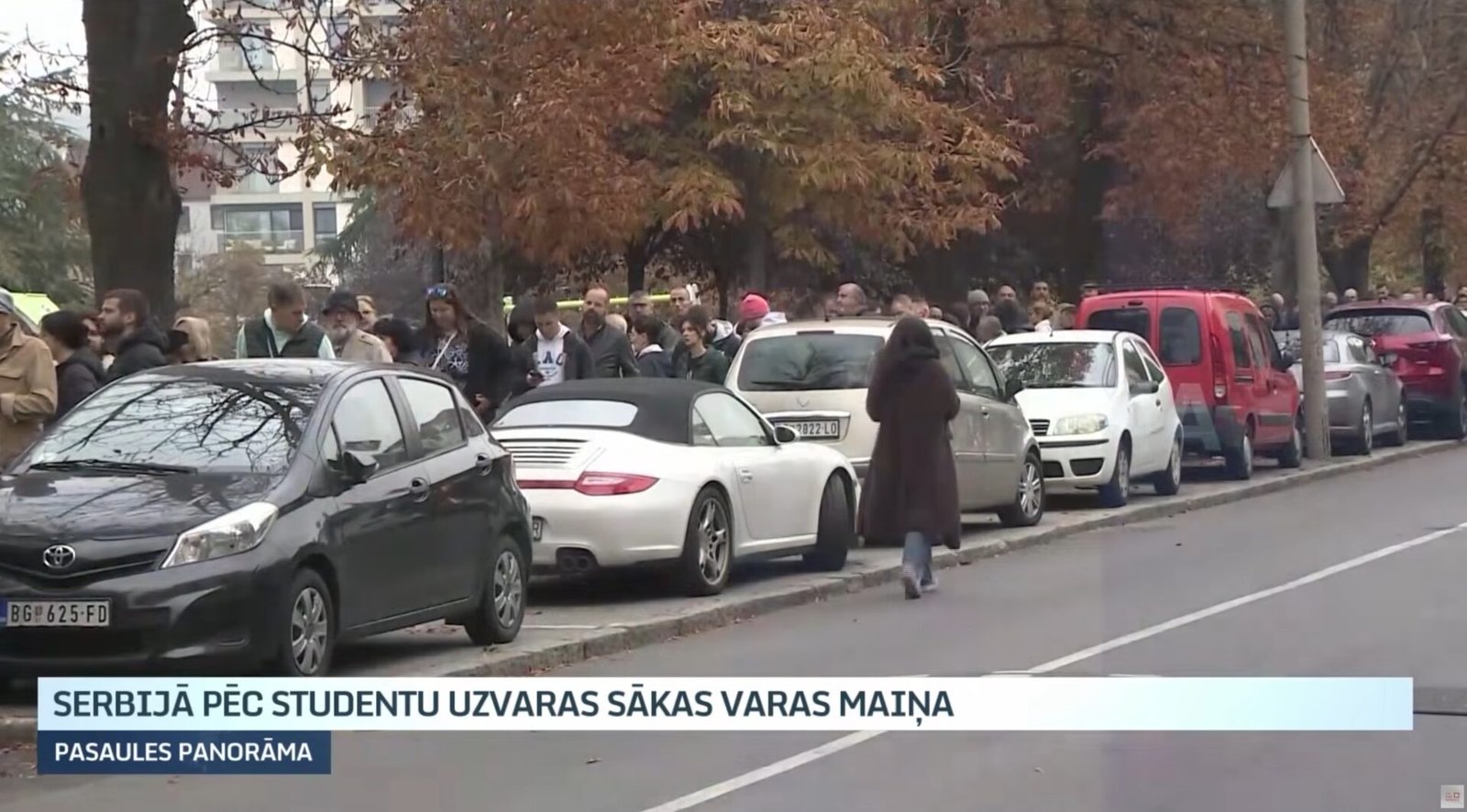
Turning to Serbia, Nikolić addressed the Student List’s victory and Vučić’s resulting defeat, cautioning that an electoral loss does not equate to the end of his political relevance. “Don’t write off Vučić,” he said. He also argued the election should be understood as a contest over Serbia itself, rather than specifically over its European trajectory – framing it, from the perspective of Serbian citizens, as a battle for the country as a whole, not for a “European Serbia” as such.
A change of government, he added, is only the beginning of confronting deeply entrenched problems. Vučić may be gone, he warned, but the state structures built around him remain.
“They Weren’t Media Serving the Regime – They Were the Regime”
Nikolić was sharply critical of Serbia’s pro-government media, particularly Informer and Pink, in the context of the recent incident involving Informer editor-in-chief Dragan J. Vučićević. In his assessment, outlets like these should not be described as media operating in service of the regime — they functioned as the regime itself.
Asked about the backlash directed at Vučićević, Nikolić framed it as a consequence of years of accumulated public anger rather than an isolated event. He was careful to state that he does not condone violence, but described the reaction as, in his words, a kind of accumulated karmic consequence facing someone who had for years directed public vitriol and incitement at others through his own platform.
What used to be called media — Informer, Pink, and similar outlets — weren’t media in service of the regime. That was the regime.
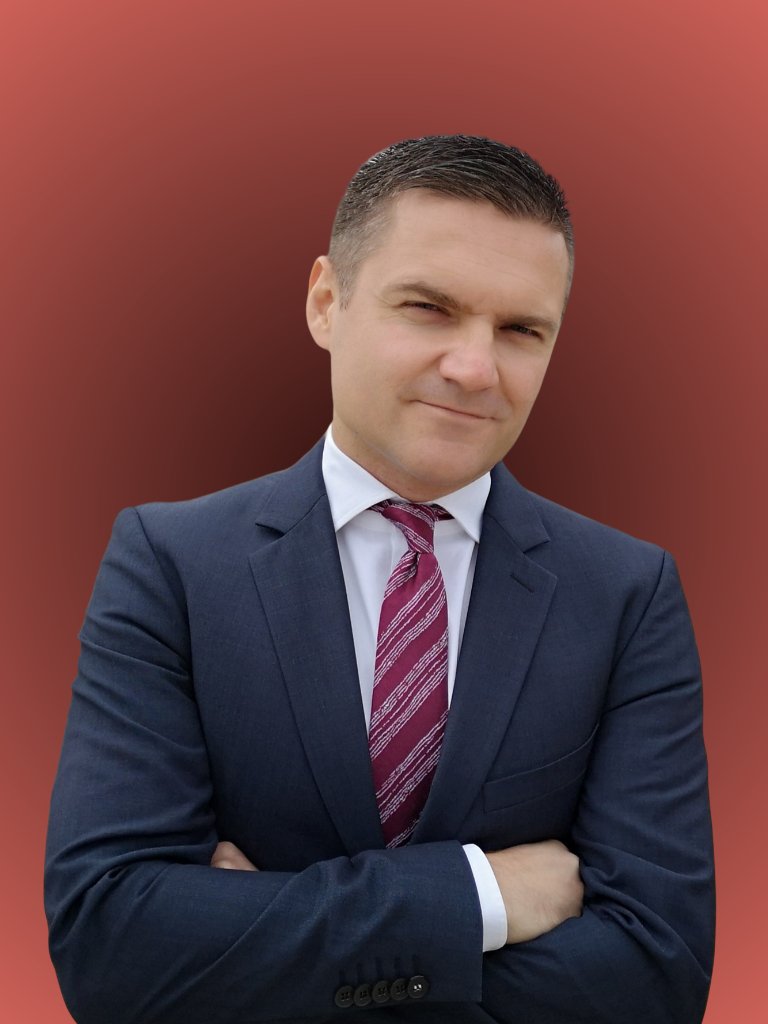
DRAGAN NIKOLIĆ, FPF’s Member of the Board
He recalled his own experience covering Serbia for HRT in 2018, when he said Serbia’s then-interior minister spent much of a press conference accusing Croatian journalists of undermining the country, and when Vučićević publicly called for his own public shaming on air. Nikolić closed by saying Serbian society still needs a form of genuine reckoning, adding that he is not certain the heterogeneous energy behind the current movement is enough to carry that process through.
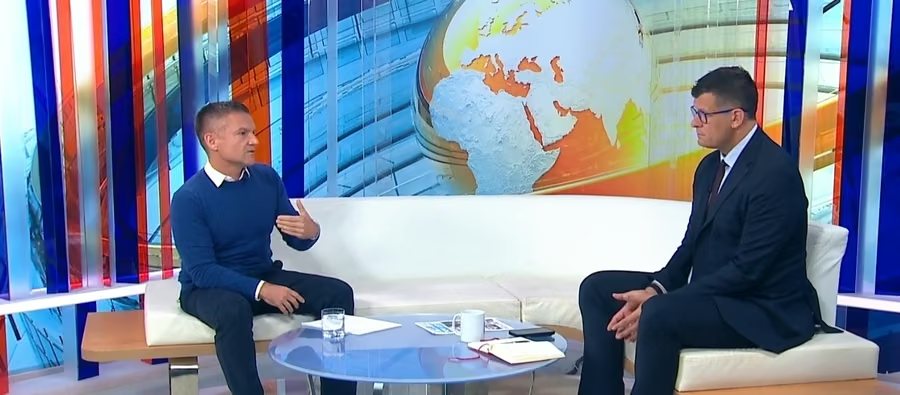
This article is an analytical synthesis of comments made by Dragan Nikolić during his appearance on N1’s “Novi dan.” It does not constitute a verbatim transcript but a policy-oriented summary and interpretation of his remarks.